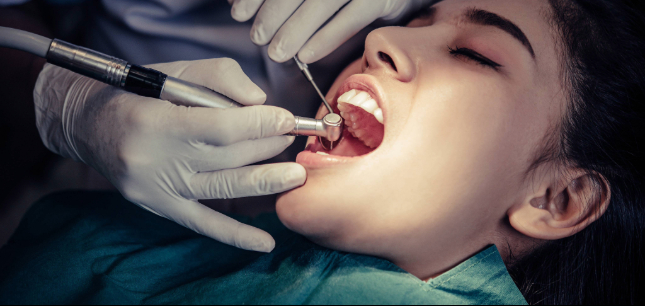
Dental problems may not cause pain at first. A small cavity, early gum disease, or a damaged filling may go unnoticed until it gets worse. Regular dental exams in Hamilton help find these problems early, when treatment may be easier. Dental exams help your dentist check your teeth, gums, and mouth for any changes. Your dentist can also answer questions about your symptoms, daily dental care, and ways to prevent future problems. Finding problems early can help keep your mouth healthy and reduce the need for more complex treatment later.
A regular visit to a dental clinic in Hamilton can help find cavities, gum problems, worn teeth, and other issues early. Regular checkups also help your dentist track changes and suggest the right care for your needs.
1. Detecting Cavities Before They Become Painful
Tooth decay starts when acids from mouth bacteria damage the hard outer layer of a tooth. It may not hurt at first, but it can worsen and reach deeper parts of the tooth if left untreated.
During an exam, the dental professional checks for signs of decay, changes in tooth colour, and damage to the tooth surface. X-rays may be recommended when needed to look for decay between teeth or in areas that cannot be seen clearly.
Finding a cavity early may allow treatment with a filling. If decay reaches the inner part of the tooth, more involved treatment may be needed.
2. Finding Early Signs of Gum Disease
Gum disease often begins with red, swollen, or bleeding gums. These signs may be mild, making them easy to overlook. Without care, gum disease can damage the tissues and bone that support the teeth.
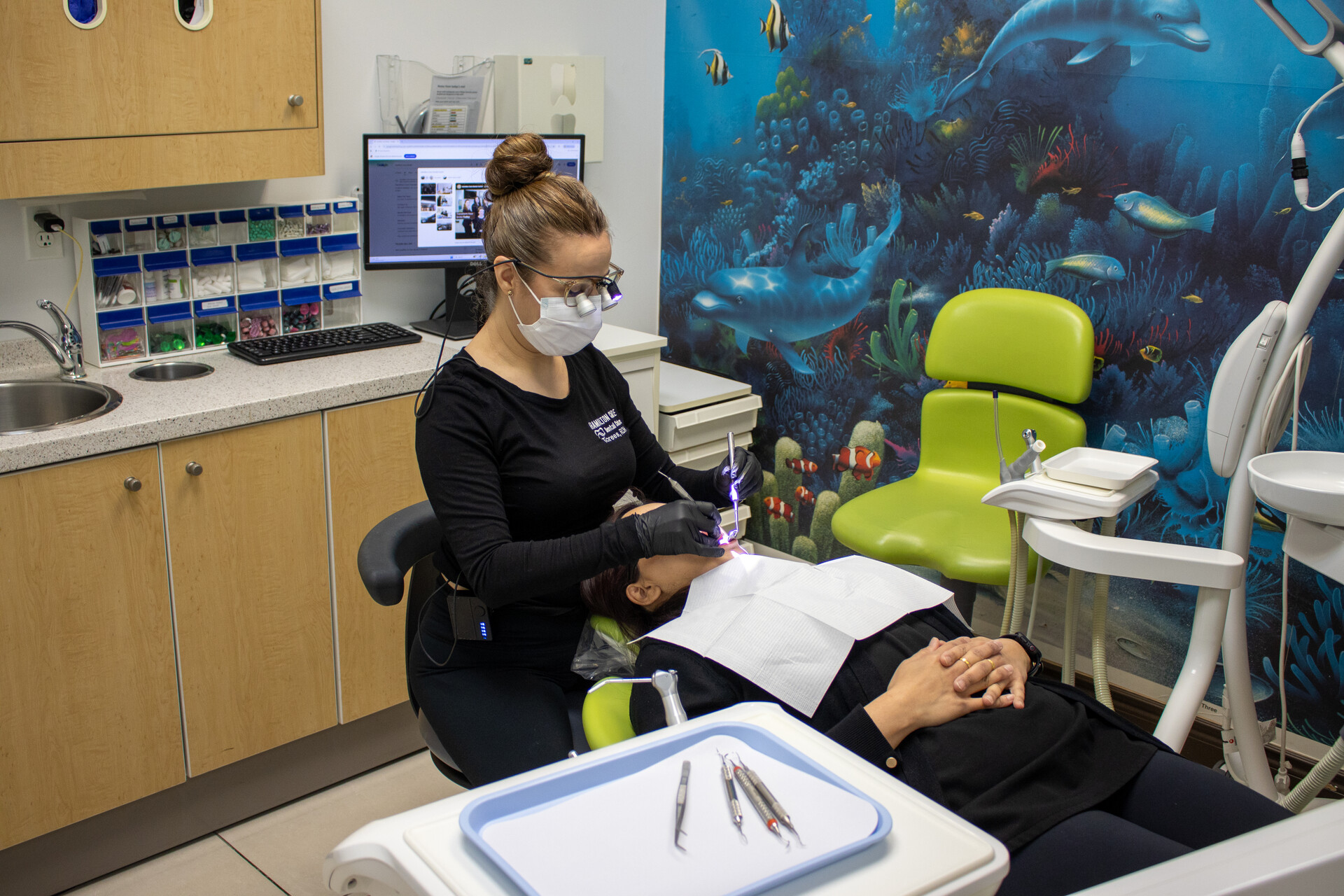
A dental exam may include checking the gums for bleeding, swelling, gum recession, and changes in the support around the teeth. Professional cleaning may also be recommended to remove plaque and tartar.
If you are searching for dental exams near you, regular visits can help monitor gum health and identify changes that may need treatment.
3. Checking Existing Fillings, Crowns, and Other Dental Work
Fillings, crowns, and bridges can wear down or become damaged over time. A loose or cracked restoration may allow bacteria to enter the area, increasing the risk of decay.
During an exam, the dental professional checks existing dental work for signs of wear, cracks, looseness, or changes in how the teeth fit together. Addressing a problem early may help prevent further damage to the restored tooth.
A dental clinic in Hamilton can also help monitor previous dental treatment and recommend repairs or replacement when needed.
4. Identifying Other Changes in the Mouth
Dental exams are not limited to checking teeth for cavities. They also allow the gums, tongue, cheeks, and other soft tissues to be examined for unusual changes.
The exam may help identify:
- Unusual sores or patches inside the mouth.
- Cracked, worn, or damaged teeth.
- Signs of teeth grinding or clenching.
- Changes in the gums or other oral tissues.
- Areas that may need a closer look or further testing.
Not every change indicates a serious problem, but unusual areas that do not heal or continue to change should be assessed.
5. Preventing Small Problems from Becoming More Complex
Regular exams help build a record of oral health over time. Comparing findings from one visit to another can make it easier to notice changes that may otherwise go unnoticed.
How often you need dental visits depends on your dental health and your risk of cavities or gum disease. Some people need checkups more often, while others can wait longer between visits.
For those considering dental exams in Hamilton, keeping appointments and following home-care advice can support early detection and help reduce the risk of more advanced dental problems.
Give Your Smile the Attention It Deserves
Keeping your teeth and gums healthy starts with knowing what is happening inside your mouth. Routine dental exams can help spot early changes, address concerns before they become more serious, and provide useful guidance for your daily oral care. Even if there is no pain or visible problem, regular checkups can help you stay informed about your dental health. Contact Hamilton Care Dental Centre to schedule your next visit, get answers to your questions, and discuss the care that may help maintain a healthy smile over time.
FAQs
Can a dental exam find cavities before they hurt?
Yes. Cavities may not hurt at first. Your dentist can check your teeth and take X-rays if needed to find cavities early and help stop them from getting worse.
Do I need X-rays at every dental visit?
No. Your dentist will decide if X-rays are needed based on your dental health, symptoms, and past X-rays. They can help find problems that are hard to see.
Can a dental exam find gum disease?
Yes. Your dentist can check for swollen or bleeding gums, gums that have pulled back, and other signs of gum disease. Regular checkups can help find these problems early.
Should I get a dental exam if my teeth do not hurt?
Yes. Some dental problems do not cause pain at first. Regular checkups can help find them early. See your dentist if you notice pain, swelling, bleeding, or a sore that does not heal.