
Root Canal Treatment in Hamilton, ON
Root Canal Treatment Near You
A painful tooth can make eating, sleeping, and daily activities uncomfortable. Sometimes, tooth pain occurs when the soft tissue inside a tooth becomes inflamed or infected. At Hamilton Care Dental Centre, we provide root canal treatment in Hamilton, ON, to help treat certain damaged or infected teeth while preserving natural teeth whenever possible.
If you are searching for root canal treatment near you, our team can examine your tooth and explain whether the procedure is necessary. We understand that patients may feel worried about treatment, so we explain each step in simple language.
What Is Root Canal Treatment?
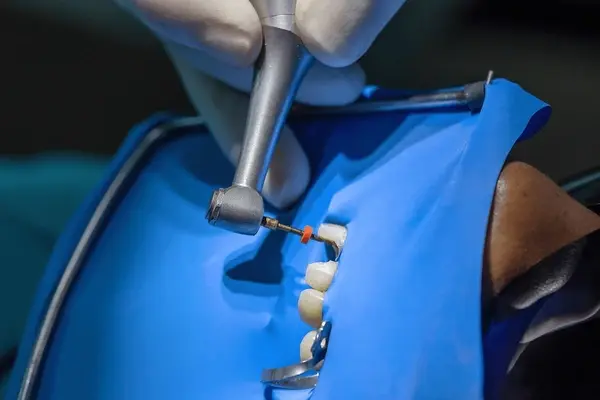
Inside every tooth is soft tissue called the pulp. It contains nerves, blood vessels, and other tissues. Deep cavities, cracks, or injuries can cause the pulp to become inflamed or infected. Root canal treatment removes the affected pulp from inside the tooth. Our dentist then cleans the root canals and seals them with a suitable material.
After treatment, a filling or crown may be recommended to protect the remaining tooth. The goal is to save the natural tooth when it can be restored safely.
Signs You May Need a Root Canal
An infected or badly damaged tooth may cause different symptoms. However, some teeth have serious problems without causing much pain.
Persistent Toothache
Pain that does not go away.
Sensitivity to Heat or Cold
Discomfort that continues after eating or drinking.
Pain While Chewing
Tenderness when biting on a tooth.
Swollen Gums
Inflammation near the affected tooth.
A Small Gum Bump
Swelling that may be related to infection.
Tooth Discolouration
A tooth that becomes darker after an injury.
Repeated Swelling
Gum inflammation that keeps returning.
Our dentist examines the tooth to determine whether root canal treatment is appropriate.
Why Is Saving Your Natural Tooth Important?
Keeping your natural teeth can help maintain comfortable chewing and normal bite function. When a tooth is removed, the space may need to be replaced with an implant, bridge, or denture. Root canal treatment may allow you to keep a tooth that would otherwise need to be extracted.
However, not every tooth can be saved. Severe fractures or extensive damage may make restoration difficult. When considering root canal treatment in Hamilton, ON, our team will explain whether the tooth can be treated or another option is needed.
What Happens During Root Canal Treatment?
Our team explains the procedure before beginning treatment so you know what to expect. The number of appointments depends on the tooth’s condition and the complexity of its root canals.
Dental Examination
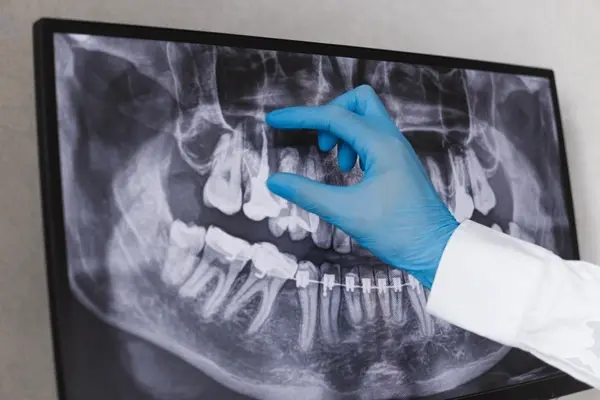
Our dentist examines the tooth and may recommend digital X-rays to check the roots and surrounding bone.
Numbing the Area
We use local anaesthesia to help manage discomfort. Our QuickSleeper® Anesthesia System may be used when appropriate.
Reaching the Root Canals
Our dentist makes a small opening in the tooth to reach the affected tissue.
Cleaning the Tooth
We remove the damaged pulp and carefully clean and shape the root canals.
Sealing the Canals
The cleaned spaces are filled with a suitable material to seal them.
Restoring the Tooth
Our team may recommend a filling or crown to help protect the remaining tooth structure.
Some root canals require more than one appointment or referral to a specialist.
Why Might You Need a Crown Afterwards?
A tooth may become weaker when a large amount of its structure has been lost. A dental crown covers the remaining tooth and helps protect it from further damage.
With CEREC® same-day crown technology, suitable crowns can be fabricated in a single appointment. Our dentist will explain whether a crown is necessary based on your tooth’s condition.
Caring for Your Tooth After Treatment
Proper aftercare helps protect the treated tooth while it recovers. Our team will explain what to do at home and when to contact us about symptoms.
Avoid chewing hard foods on the treated tooth.
Wait until numbness wears off before eating.
Brush and floss as usual, but be gentle.
Complete any recommended filling or crown.
Expect some temporary tenderness.
Contact us if pain or swelling becomes worse.
Attend follow-up appointments when recommended.
Choosing root canal treatment near you can make follow-up visits and restorative care easier to arrange.
Why Choose Us?
At Hamilton Care Dental Centre, our dentist in Hamilton, ON, understands that root canal treatment can sound intimidating. Our team focuses on clear explanations, appropriate comfort measures, and the preservation of natural teeth whenever possible.
Conservative Dental Care
Our dentist assesses whether your natural tooth can be saved before recommending extraction.
Clear Patient Education
We explain the procedure, available options, and expected recovery.
Comfort-Focused Technology
Our QuickSleeper® system may support the delivery of local anaesthetic during suitable procedures.
Modern Digital Imaging
We use digital X-rays to examine tooth roots and surrounding structures.
Same-Day Crown Options
Our CEREC® technology may allow suitable crowns to be completed in one visit.
Personalized Treatment Planning
We consider your symptoms, tooth condition, and long-term oral health.
Get Help for Ongoing Tooth Pain
Tooth pain or swelling should not be ignored. A dental examination can help identify the problem and determine whether your tooth can be saved.
Call Hamilton Care Dental Centre at (289) 755-2568 to arrange an assessment for root canal treatment in Hamilton, ON. Our dental clinic is located at 969 Upper Ottawa St, Unit 11A, Hamilton, ON L8T 4V9, Canada.
Frequently Asked Questions
Is root canal treatment painful?
Local anaesthesia helps manage discomfort during treatment. Some mild tenderness may occur afterwards, but it usually improves within a few days.
How many appointments will I need?
Some root canals can be completed in one appointment. More complex cases may require additional visits, depending on the tooth’s condition.
Will I need a crown after treatment?
A crown may be recommended if your tooth is weakened or extensively damaged. It helps protect the remaining structure and restore chewing function.
Can a root canal-treated tooth become infected again?
Yes. Reinfection can sometimes occur after treatment. A dental clinic near you can examine the tooth and explain whether retreatment is necessary.