
Cosmetic Dentistry in Hamilton
Smile makeovers that combine veneers, whitening, bonding, and aligners, shaped around your face and goals.
Cosmetic dentistry improves the appearance of your teeth, gums, and overall smile. From a single chipped tooth to a full smile makeover, our team designs treatment plans that look natural and last.
- Porcelain Veneers
- Dental Crowns
- Crown Lengthening
- White Spot Treatment
- Composite Bonding
- Smile Makeovers
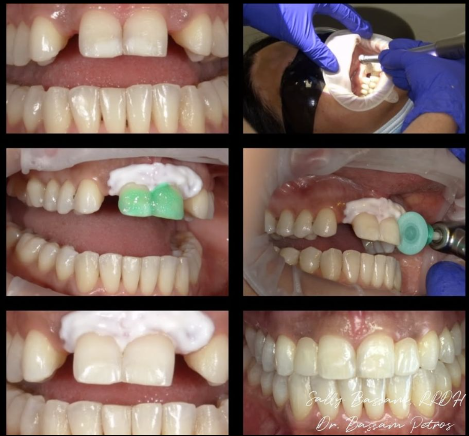
Treatments that improve how your smile looks
Cosmetic dentistry includes any treatment that improves how your smile looks, porcelain veneers, professional whitening, composite bonding, gum recontouring, tooth-coloured crowns, and clear-aligner orthodontics. We focus on conservative options first and only recommend more involved treatments when they will give a meaningfully better result.
Who cosmetic dentistry is good for
- Discoloured or stained teeth
- Chipped, cracked, or worn enamel
- Small gaps or crowding
- Gummy smiles or uneven gum lines
- Old metal fillings or crowns showing through
What to expect
- Smile consultation. We listen to what you want to change about your smile and discuss realistic, durable options.
- Smile design. Using photos and digital previews, we plan the size, shape, shade, and proportions of each tooth so the final result fits your face.
- Treatment. Depending on the plan, this can include whitening, bonding, veneers, crowns, or clear aligners.
- Final reveal & care. We refine your bite, polish everything, and review home-care tips so your new smile lasts.
How we plan a smile
Most cosmetic work goes sideways when the plan skips the boring part. Before we touch a tooth we take photos from a few angles, do a quick bite check, and either mock up the proposed shape directly on your teeth with composite or run a digital preview in our scanner. You get to see roughly what the final result will look like before any drilling happens. If the preview is not quite right, we adjust on the screen, not on the tooth. That single step prevents most of the regret stories you hear about veneers.
We usually whiten first, then plan any bonding, veneers, or crowns afterward so the new material matches the brighter shade. The order matters. Whitening after veneers will not change the porcelain colour and you will end up with a two-tone smile.
Bonding, veneers, or crowns, which is the right pick
For one chip or a small gap, composite bonding done freehand finishes in one visit. It can be polished and adjusted any time. The trade-off is that bonding stains over five to ten years and chips more easily than porcelain.
For shape, length, or shade changes across the front six or eight teeth, porcelain veneers are the durable answer. They last ten to fifteen years on average. We remove very little enamel, usually less than a millimetre, and many cases are no-prep. A full crown is reserved for teeth that are already broken down or that have had a root canal, because crowns require more reduction.
Honestly: if bonding can solve it, we will tell you. We have no reason to talk a patient into more work than they need. After your consultation we share a clear written estimate so you know what to expect before you commit.
Materials and labs we use
For porcelain veneers and full-coverage crowns on front teeth we prefer lithium disilicate (IPS e.max). It is strong enough for most bites and the optics on a properly-shaded e.max veneer are very hard to distinguish from natural enamel. For posterior crowns where bite force is higher, we use zirconia or layered zirconia.
For composite bonding we use 3M Filtek and Tokuyama Estelite, both well-supported in the clinical literature and easy to polish to a high gloss. Our local lab work for veneers and crowns is sent to a ceramist whose shade-matching we trust enough to put our own family in his hands.
What insurance does and does not cover for cosmetic work
Most Canadian dental insurance plans cover the restorative portion of treatment but not the cosmetic portion. A composite filling that also closes a small diastema is usually covered. A veneer placed purely to change shape or shade is usually not. We submit a pre-authorization with photos and X-rays for any major case so you know what your plan will pay before you commit.
CDCP does not cover purely cosmetic dentistry. A Health Spending Account through your employer benefits often will, and 0% financing covers the rest.
Aftercare that protects the work
The two things that wreck veneers and front-tooth bonding are night-time grinding and nail-biting. If you grind, a custom night guard pays for itself the first time it stops a fracture. We always make one for patients who have visible wear facets or who clench when they are stressed.
Daily care is otherwise the same as for natural teeth: brush twice, floss or use interdental brushes, and come back every six months so we can polish, check the margins, and catch any early problems while they are easy to fix. Avoid biting hard things directly with the bonded or veneered teeth: pens, ice, fingernails, the corner of a hard pizza crust. Bonding lasts longer on the patients who stop these habits.
Red flags when shopping for cosmetic dentistry
A few things to watch for at any clinic: a quote that does not include a written breakdown of how many teeth and what material, an aggressive push toward veneers when bonding could solve the problem, no mock-up or digital preview before the work begins, no discussion of bite or grinding habits, and pressure to commit on the first visit. Cosmetic dentistry is elective. There is no reason to rush.
Frequently Asked Questions
How do I know which treatment is right for me?
Book a smile consultation. We will examine your teeth, listen to your goals, and explain conservative options before any major work.
How long do veneers last?
Porcelain veneers require minimal enamel removal and last 10 to 15 years on average. They are a long-term but not permanent restoration, and may eventually need replacement.
Will cosmetic dentistry damage my teeth?
When planned and placed properly, modern cosmetic dentistry preserves natural tooth structure and often strengthens weakened teeth.
Does insurance cover cosmetic work?
Most insurance plans cover restorative components but not purely cosmetic treatments. We offer flexible payment plans and 0% financing for qualifying patients.