
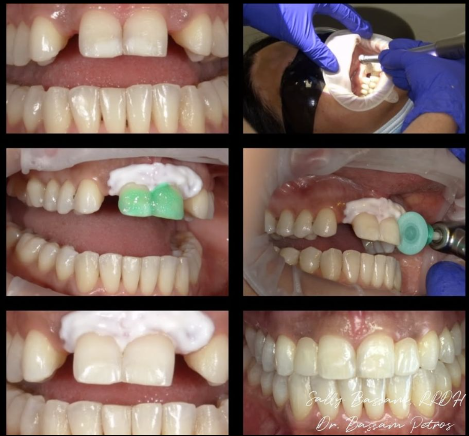
What is a dental crown, and is it the same as a cap?
Yes, a crown and a cap are the same thing, just different words for it. A crown is a custom-made cover that fits over a damaged tooth, restoring its shape, strength, and appearance right down to the gumline. Where a filling patches a hole inside a tooth, a crown wraps around the whole thing and holds it together. Crowns are one of the most common treatments in restorative dentistry, and a well-made one is difficult for anyone to pick out of your smile.
When do you need a crown instead of a filling?
It comes down to how much healthy tooth is left. A filling works when the cavity is small and strong walls remain around it. Once too much structure is gone, a large filling acts like a wedge and can split the tooth under chewing pressure. We will usually recommend a crown for a tooth that is cracked, has a very large or repeatedly replaced filling, has broken a cusp, or has had a root canal. Crowns also finish off a dental implant and anchor a bridge.
How much does a dental crown cost in Hamilton?
Our fees follow the Ontario Dental Association fee guide. A single crown in Hamilton typically runs from about $1,100 to $1,800, which reflects both the dentist's work and the lab that fabricates the crown. The material matters, as does whether the tooth needs a build-up or post first to give the crown something solid to grip. You will get a written estimate before we begin, and our guide to what dental care costs in Hamilton shows how crowns compare with other treatments.
Types of crowns: porcelain, zirconia, and metal
All-porcelain crowns look the most natural because light passes through them much as it does through enamel, which makes them the usual choice for front teeth. Zirconia is exceptionally strong while still looking good, so it suits molars and patients who grind. Porcelain-fused-to-metal is a proven older option, though it can show a dark line at the gum over time. Gold is the most durable of all and gentlest on the opposing tooth, but few patients want it where it shows. We match the material to the tooth's job and how visible it is.
How long do dental crowns last?
A well-fitted crown commonly lasts ten to fifteen years, and it is not unusual to see them go well past twenty with good care. What ends a crown's life is almost never the crown itself, it is what happens underneath: a new cavity at the margin where the crown meets tooth, or gum disease loosening the foundation. The crown cannot decay, but the natural tooth holding it absolutely can, which is why brushing, flossing at the margin, and regular checkups decide how long it lasts.
What to expect at your crown appointments
The traditional route takes two visits. At the first we freeze the tooth, shape it so the crown has room to sit, take a digital scan or impression, and fit a temporary crown. The lab then builds your crown, and two or three weeks later we remove the temporary, check the fit, colour, and bite, and cement the permanent one. It is not a painful process, the tooth is numb throughout, and most of what you feel is pressure. Treat the temporary gently and avoid pulling floss straight up out of it. If sitting through two appointments is the part that worries you, nitrous sedation makes both far easier.
Protecting your crown if you grind your teeth
Grinding, or bruxism, is one of the quickest ways to wear out good dental work, and plenty of people do it in their sleep without knowing. If we see the flattened, polished wear patterns that give it away, we will suggest a custom night guard. It costs a fraction of a crown and it is the single best insurance policy for the work you have just paid for. Stress, which is when grinding tends to spike, does not usually announce itself in advance.
Book a crown consultation in Hamilton
If a tooth is cracked, sensitive to biting, or holding an old filling that keeps failing, a quick exam and X-ray will tell you where you stand. Call (289) 755-2568 or book online. We accept CDCP, bill insurance directly, and offer 0% financing for qualifying patients so a crown does not have to wait.
Have a question about your smile?
Our team is happy to answer questions or set up a consultation. We've served Hamilton families since 2012 and welcome new patients of every age.
Book Appointment (289) 755-2568